
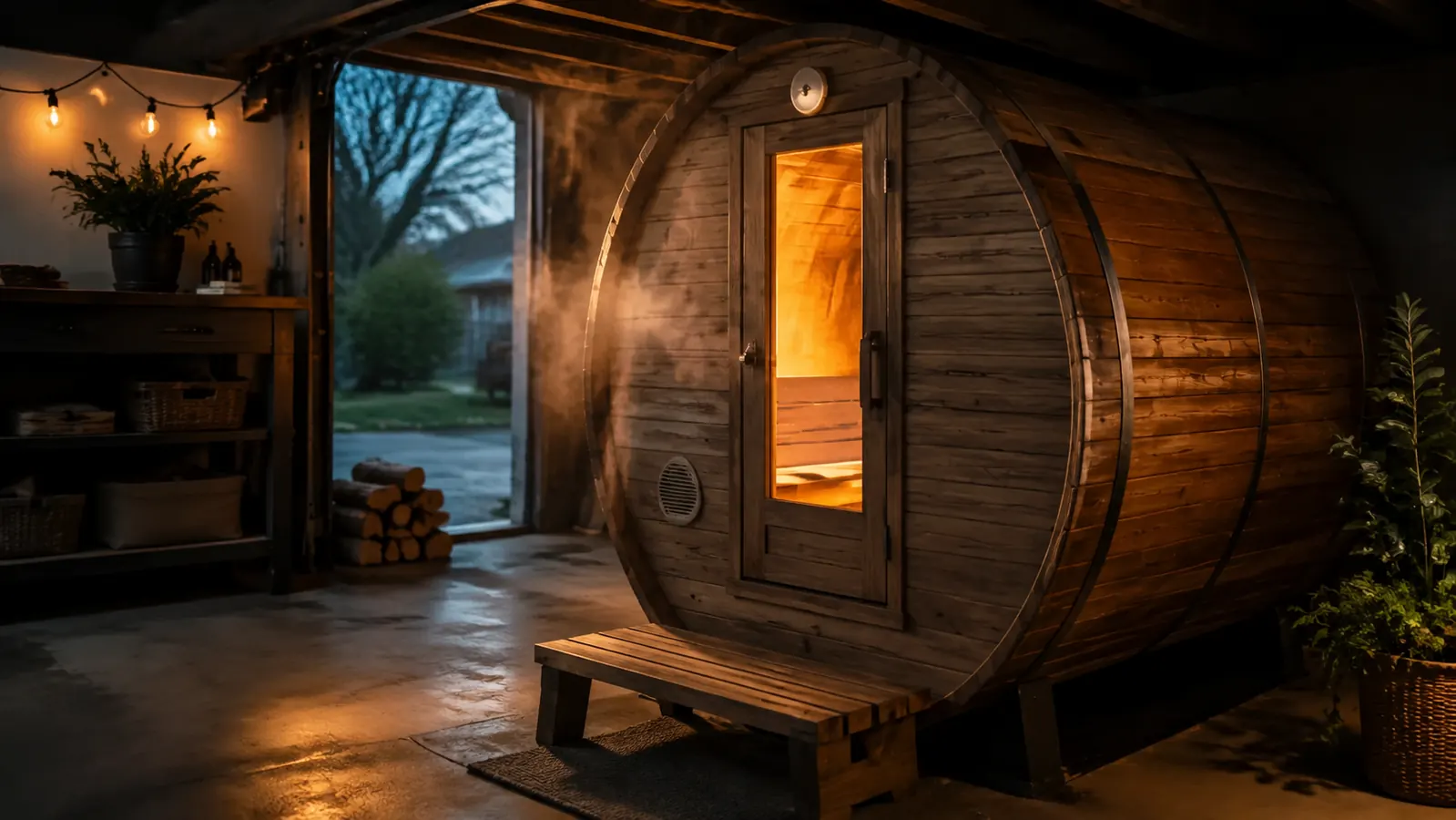
I stopped keeping a mental tally of my eucalyptus oil purchases about three months into running sauna sessions out of my garage, but I still remember exactly how much oil I used to dump straight onto hot rocks before someone told me to knock it off. I run a small side business out of a converted two-car garage, four sauna slots a night, three nights a week, mostly neighbors and a few regulars from the gym down the street. The Vindar red cedar aromatherapy bowl showed up in that setup back in March, and five months and roughly 60 sessions later, I have opinions the Amazon listing photos conveniently leave out. Most of my clients never ask about the accessories, they just notice the room smells better than the sauna at their gym, which is really the whole point of adding one of these in the first place.
This isn't a review from someone who unboxed it, used it twice, and called it done. My barrel sauna is wood-fired, runs north of 180 degrees on a good night, and the Vindar bowl has sat on the same corner of the bench through all of it, refilled by me most nights and occasionally overfilled by a client who ignored the three-drop rule I tape to the wall. I'll get into what actually works, because there's real substance here, but I want to lead with what nobody mentions before you buy: this bowl can crack under specific heat conditions, and the fit is not one-size-fits-all across heater brands.
The Quick Verdict
A genuinely nice cedar bowl for personal, single-heater use. Shared setups, very dry high-heat saunas, and heaters with narrow guard rails will find real limitations.
Amazon Check Today's Price →Still cheaper than replacing a cracked plastic oil dish every season
Current price and availability on Amazon change often. Check today's listing before you decide.
Amazon Check Today's Price on Amazon →How I've Used It
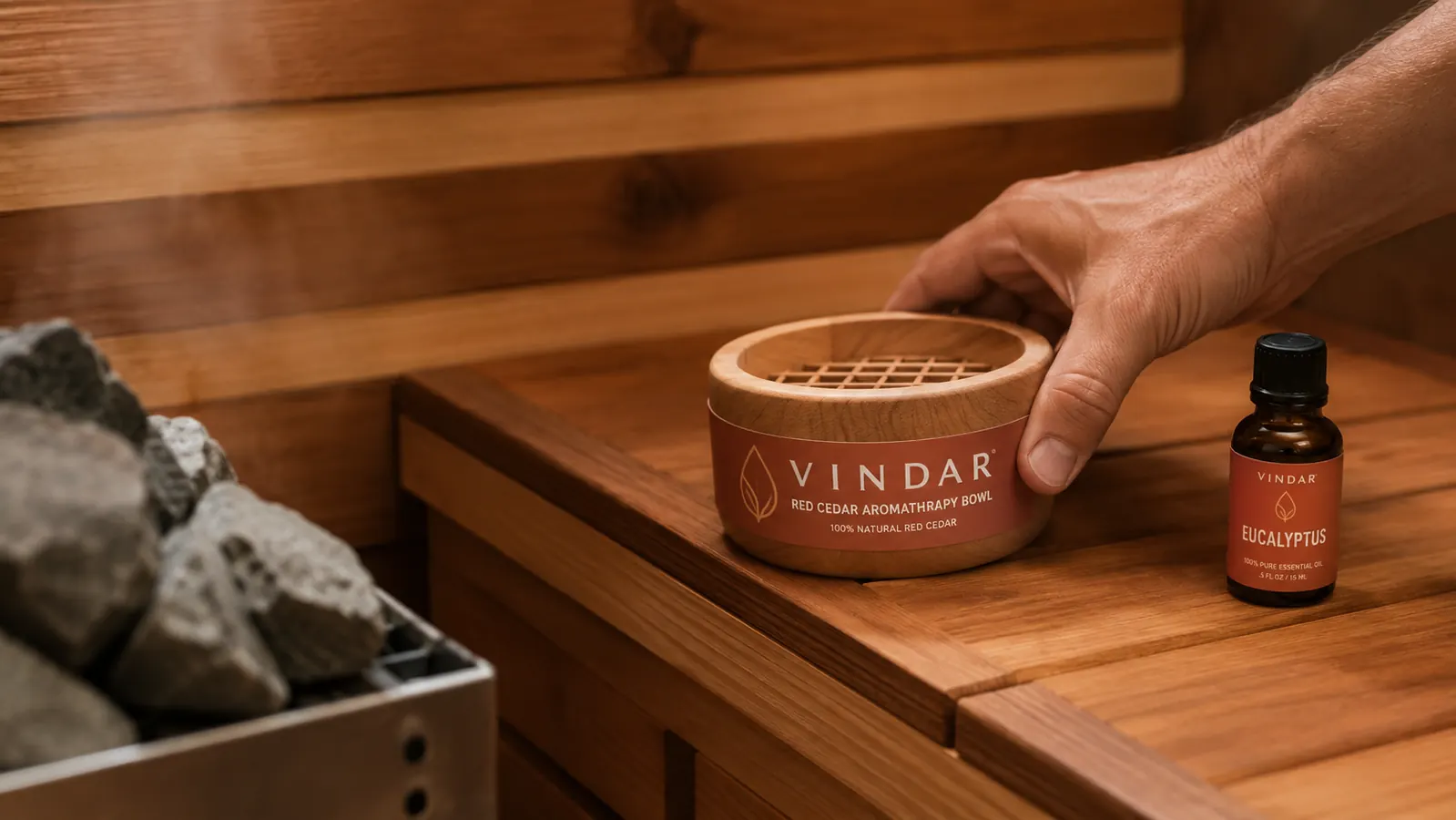
The routine is simple on paper. I set the Vindar bowl on the bench corner closest to the door, roughly three feet from the rock pile, and add two to three drops of oil right before a client walks in. Cedarwood and eucalyptus get rotated most nights, with a tea tree blend on weeks when someone requests it for congestion. On a business night that means the bowl gets refilled or wiped out four separate times, which is a lot more turnover than a single household would ever put it through.
I also keep a second Vindar bowl at home in our own electric-heater sauna, used maybe twice a week, so I've effectively been running a side-by-side comparison of light use versus heavy commercial-style use without meaning to. That contrast is where most of this review comes from. The home bowl looks nearly new. The garage bowl has a story to tell.
I never bought a second unit expecting to write about the difference. It just became obvious after month two that heat exposure frequency, not time owned, is what actually ages this thing. By month four I was tracking it deliberately, jotting quick notes on my phone after sessions so I wouldn't have to rely on memory when someone eventually asked me whether it held up.
The Crack I Didn't Expect
About ten weeks in, the garage bowl developed a hairline crack along one side, right where the grain ran thinnest. It didn't happen from a drop or rough handling. It happened from repeated fast heat-up and cool-down cycles, because I sometimes pull the bowl off the bench between sessions to top off oil at my workbench, then set it right back on hot wood a few minutes later. Cedar doesn't love that kind of thermal whiplash, and Vindar's listing doesn't warn you about it anywhere I could find.
The home unit, which stays on the bench permanently and heats up and cools down gradually with the sauna itself, shows no cracking at all after the same five months. So the lesson isn't that the bowl is fragile. It's that how you handle it matters more than the marketing suggests, and if you're running a shared or commercial-style setup where the bowl gets moved around, you should expect wear that a casual home user simply won't see.
I also noticed grain quality wasn't identical across the three units I've now bought for the business. Two were tight, dense, and handsome, with almost no visible knots. One had a visibly looser grain pattern and started showing water rings faster, even before the crack showed up on a different unit entirely. Vindar doesn't sell these as hand-selected pieces, so some variation between individual bowls seems to be part of the deal, and I'd guess it's tied to which part of the tree the wood came from.
I did reach out to Vindar's customer support after the crack showed up, mostly out of curiosity rather than expecting a refund, since it was well past the point where I'd have felt right asking for one. They responded within a day, asked for a photo, and offered a replacement at no charge even though I told them plainly it was probably my own handling that caused it. That kind of response doesn't undo the crack, but it did make me more comfortable recommending the brand despite the flaw, since a support team that owns uncertainty like that is rarer than it should be.
Scent Throw Is Real, But Placement Is Everything
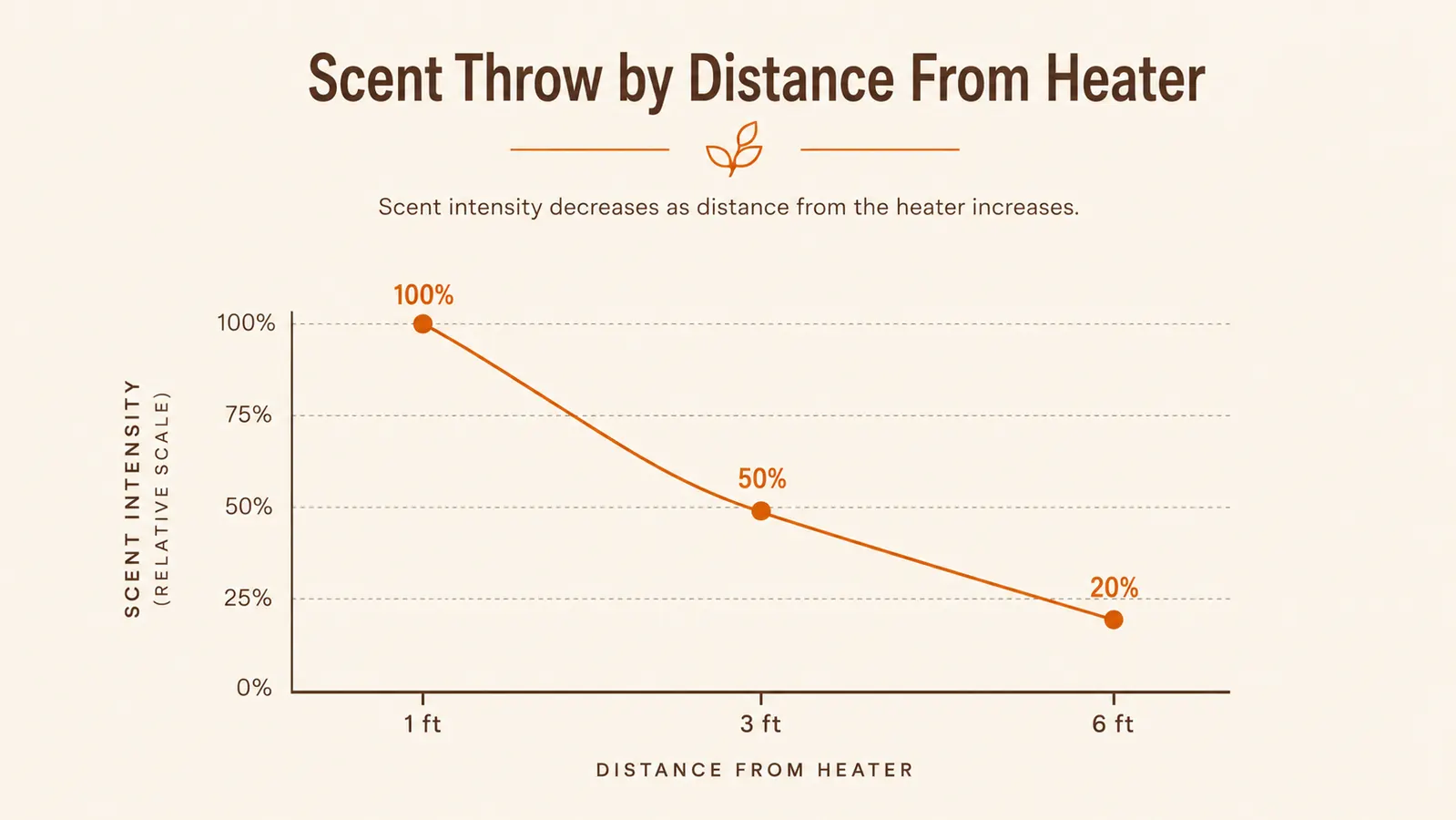
When people ask if this thing actually works, the honest answer is yes, but only if you respect the distance from the heater. At the three-foot mark I use in the garage, cedarwood oil fills the room within about ninety seconds of the first drop hitting the warm wood, and it holds a pleasant, not overpowering, presence for a solid twenty minutes. Push the bowl to within a foot of the rocks and the oil burns off almost instantly, throwing a sharp, slightly acrid smell for thirty seconds before fading to nothing. Set it six feet back near the door and you barely notice it at all.
I built a rough chart from notes I kept over a few weeks of sessions, because more than one client asked why the smell was so different night to night before I figured out placement was the whole story. Three feet from the heat source, give or take, is the sweet spot on both the barrel sauna and the electric unit at home, even though the heaters themselves work completely differently. It took me embarrassingly long to connect placement to the complaints, since I'd assumed the oil brand itself was the variable.
Oil type matters here too, not just distance. Thinner oils like eucalyptus and tea tree evaporate and throw scent fast, sometimes too fast, burning through their smell within ten minutes even at the ideal distance. Thicker oils like sandalwood or cedarwood release more slowly and hold a steadier presence across a whole session. If you want scent that lasts the full twenty or thirty minutes a typical sauna sitting runs, I'd lean toward the heavier oils and treat the lighter ones as a quick burst rather than a steady background note.
Steam Versus Dry Heat Changes the Experience
A client of mine has a steam-generator sauna at her house, and she let me bring the third Vindar bowl over to test it for a couple of weeks, mostly out of curiosity. In that humid environment the oil never fully burns off the way it does in my dry-heat barrel sauna. Instead it lingers as a damp, almost soupy scent that some people find heavier and less pleasant than the crisp throw you get in dry heat. The cedar itself also stayed damp to the touch longer between her sessions, which had me a little worried about mildew, though we never actually saw any in the two weeks we tested it.
If you're running a true steam sauna rather than a dry infrared or wood-fired one, I'd temper your expectations on scent quality specifically, and I'd make a point of pulling the bowl out to air dry between uses rather than leaving it in a damp cabin overnight. That's a habit I didn't need to build for my own dry-heat setup, and it's not something I saw mentioned in any of the reviews I read before buying.
Fit Is Not Universal
The bowl sits loose on my home electric heater's guard rail. It doesn't tip over, but it rocks slightly if the sauna door swings shut with any force, which has splashed a few drops of oil onto the rock cover more than once. On the wood-fired barrel unit, the flatter rock ledge holds it steady with no issue at all.
I mention this because I've seen a handful of other reviews complaining about wobble, and I think the real issue is heater shape variation, not manufacturing defects. If your sauna has a rounded or angled guard rail, test the fit carefully before you commit to leaving it there unattended. A small silicone mat or a flatter side table placement solves it, but that's an extra step Vindar's listing doesn't mention needing.
Cleaning Between Users Is the Part Nobody Talks About
Running sessions for other people surfaced a problem a solo home user would probably never hit: scent carryover between clients. Cedar is porous, and after a few weeks it starts holding onto whatever oil sat in it last. A client who requests eucalyptus right after someone used a heavier sandalwood blend will still catch a faint trace of the previous scent underneath. I now wipe the bowl with a barely damp cloth between sessions and let it air out for a few minutes, which mostly solves it, but it's an extra step that wasn't part of my routine in month one.
The wood also darkens with heavy, mixed-oil use faster than I expected. My home bowl, used with mostly one or two oils in rotation, still looks close to its original honey color. The garage bowl, exposed to five or six different oil blends across dozens of sessions, has taken on a noticeably darker, almost tea-stained look by month five. It's not damage exactly, more like the bowl earning its keep, but if you care about it staying pristine, limiting your oil rotation will help.

What I Considered Before Buying
Before settling on the Vindar bowl I looked hard at the Northwood aromatherapy stone cup, mainly because a few sauna forum threads praised its heat retention and durability under repeated heat cycling. I ended up going with Vindar because of the price at the time and the sheer volume of reviews, which felt like a safer bet for a first-time business purchase where I didn't want to gamble on an unproven accessory. In hindsight, the Northwood stone might handle the thermal-cycling issue better since stone doesn't crack the way cedar can, but it also doesn't carry that natural cedar smell that blends so well with the oils, which is honestly half the appeal for me. I'll probably keep one of each in rotation going forward rather than picking a single winner.
I also briefly considered skipping a dedicated bowl entirely and just using a small ceramic ramekin from the kitchen, which is what I did for the first month before a client pointed out it looked out of place next to the wood. That's a fine budget option if you genuinely don't care about appearance, but once I put the Vindar bowl in the room, more than one person commented on it unprompted, which told me the look matters more to clients than I expected going in.
What I Liked
- Genuine, pleasant cedar scent that layers well with essential oils
- Handles daily use across five months with only cosmetic wear on the well-placed unit
- Good value for the price relative to metal or stone alternatives
- Enough capacity to run four back-to-back sessions without constant refilling
Where It Falls Short
- Can develop hairline cracks if moved between hot and cool surfaces repeatedly
- Fit varies depending on heater guard shape, some rock ledges hold it steady, others let it rock
- Cedar absorbs mixed oil scents over time, needs wiping between different users
- Behaves noticeably differently, and less pleasantly, in humid steam saunas versus dry heat
- Grain quality isn't perfectly consistent unit to unit
The bowl didn't fail me. My habit of moving it on and off hot wood did. That distinction changed how I use it, and it's the one thing I wish the listing had warned me about.
Who This Is For
If you have a home sauna, electric or wood-fired dry heat, and you plan to leave the bowl in one place rather than shuttling it around, this is a solid, attractive, reasonably priced way to stop dripping oil directly onto rocks. It looks good, smells good when placed correctly, and at under thirty dollars it's an easy addition to almost any dry-heat sauna setup. It's also a nice, low-cost upgrade if you're currently improvising with a metal spoon or a plastic cup sitting on the rocks, both of which I used before this and neither of which looked or smelled anywhere near as good.
Who Should Skip It
If you're running a shared or commercial-style sauna where the bowl gets handled by multiple people, moved frequently, or exposed to fast heat cycling, budget for the possibility of a crack within a few months and consider a stone alternative instead. Steam sauna owners should also go in with tempered expectations on scent quality. And anyone with a heater that has a narrow or angled guard rail should check fit carefully before assuming it'll sit level and secure.
Worth it for a single-heater dry-heat setup, with eyes open about the fit caveats
See current pricing and confirm it's in stock before your next sauna order.
Amazon Check Today's Price on Amazon →