
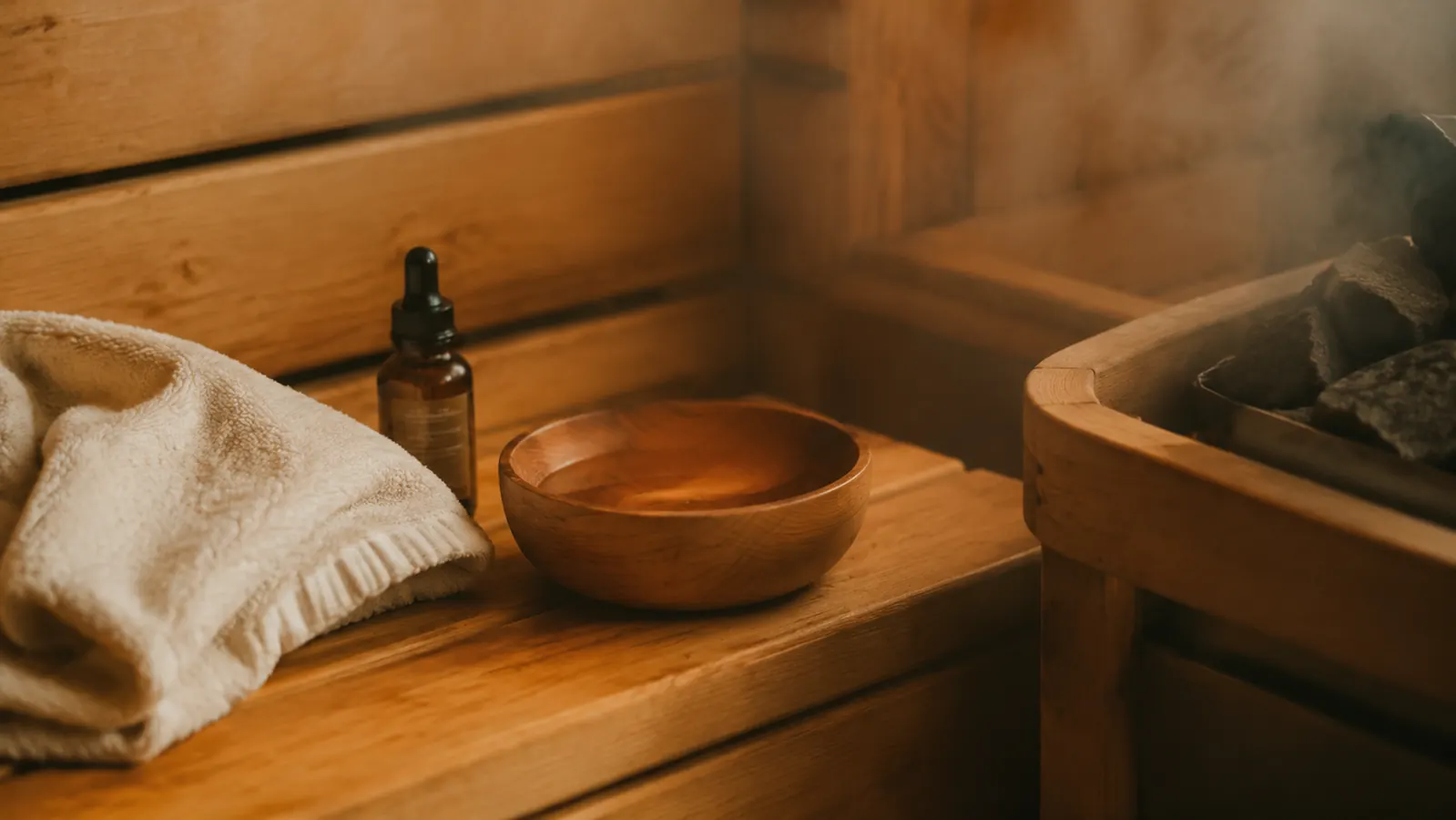
I bought the Vindar red cedar aromatherapy bowl back in December, mostly on impulse, after getting tired of dripping eucalyptus oil straight onto the hot rocks of our backyard cabin sauna and watching it flash off in about ninety seconds. It's a small thing, barely bigger than my palm, and it cost less than a dinner out, so I didn't think much about it beyond hoping it would make the scent last a little longer. Seven months and somewhere around a hundred and forty sessions later, it's one of the few sauna accessories I've bought that actually earned a permanent spot on the bench.
This isn't a review from someone who used it twice and wrote up first impressions. My husband Mark and I use our cabin sauna three to four evenings a week out here in the Blue Ridge foothills, and the Vindar bowl has been in every one of those sessions since Christmas. What follows is what I've actually noticed about how the cedar has aged, how long the scent really holds, and the small habits I've built around using it.
The Quick Verdict
A simple, well-made cedar bowl that genuinely improves scent throw and slows down how fast essential oils burn off, though it needs regular cleaning and eventually shows its age like any untreated wood does.
Amazon Check Today's Price →Tired of watching your sauna oil flash off the rocks before you even sit down?
See today's price and current availability on the Vindar red cedar aromatherapy bowl before your next bottle of eucalyptus oil disappears in three sessions flat.
Amazon Check Today's Price on Amazon →How I've Used It
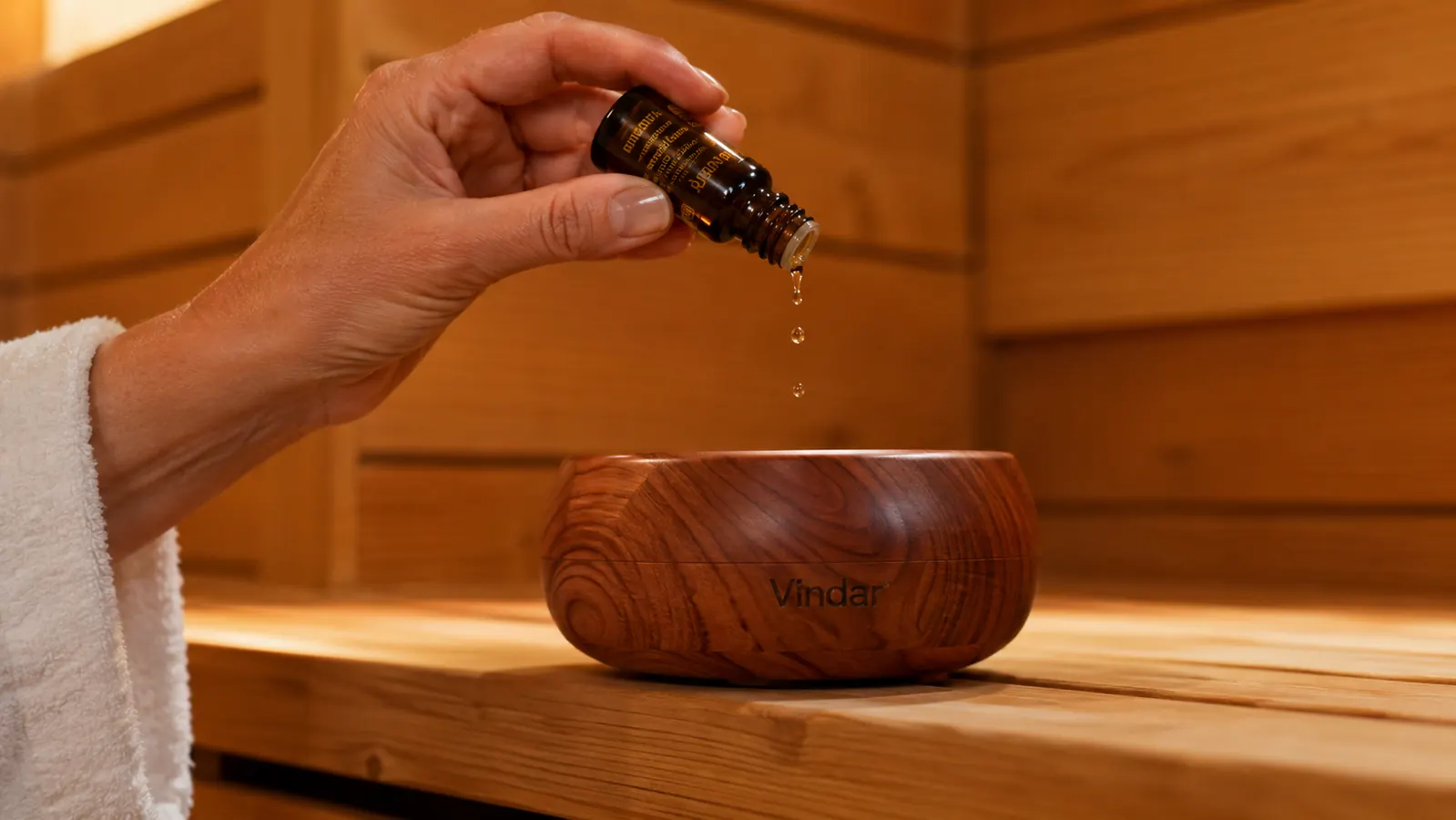
My routine settled pretty quickly. I set the Vindar bowl on the corner of the bench closest to the door, a good three feet from the heater rocks, and add four or five drops of oil with a glass dropper right before I climb in, sometimes eucalyptus, sometimes a cedar or peppermint blend depending on the night. The oil sits in the shallow bowl and slowly warms from the ambient heat of the cabin rather than flashing off instantly the way it did when I dripped it directly onto the rocks.
Mark uses it too, though he's pickier about scent than I am and mostly sticks to plain eucalyptus. Some nights we skip the oil entirely and just enjoy the plain heat, and the bowl sits empty on the bench, which hasn't caused any issues, no warping or drying out from going unused for a stretch here and there.
The one change I made after the first few weeks was switching from filling it right to the rim to using only enough oil to lightly coat the bottom of the bowl. A friend who's had one longer than me mentioned that a shallow layer heats and releases scent more evenly than a deep pool of oil, and once I tried it, the scent felt less like a sudden blast when I walked in and more like a steady presence through the whole twenty-five-minute session.
By spring I'd also started keeping the bowl and a small glass dropper bottle together on a little shelf just outside the cabin door, so the whole ritual of adding oil takes under thirty seconds before I even step inside. That small bit of organization is honestly the difference between me using it every session and letting it become one of those accessories that quietly disappears into a drawer.
The Cedar Itself, Seven Months In
The bowl is turned from a single piece of red cedar, no seams, no glued sections, which matters because a seam is usually the first place a wood bowl exposed to heat and oil starts to separate. Mine hasn't cracked or split anywhere, and the grain still looks essentially like it did the day it arrived, just a shade or two darker from months of oil soaking into the surface.
What has changed is the interior finish. The inside of the bowl, where the oil actually sits, has taken on a slightly darker, almost polished look compared to the still-raw exterior, which makes sense given that's the part absorbing oil session after session. It's not unattractive, more like the natural patina you'd expect on any well-used wooden kitchen tool, but if you're picturing it staying showroom-fresh forever, that's not realistic once you're actually using it regularly.
I did have one small scare in February when I noticed a faint hairline in the wood near the rim after a particularly hot week of sessions run back to back. I emailed it to my sister, who's more of a woodworker than I am, and she pointed out it looked like a surface check line rather than a structural crack, the kind that happens when wood expands and contracts with heat cycles. It hasn't gotten any worse in the five months since and hasn't affected how the bowl holds oil, but I'll admit it made me more careful about not letting the cabin get scorching hot before I set the bowl down.
Scent Throw and How Much Oil Actually Works
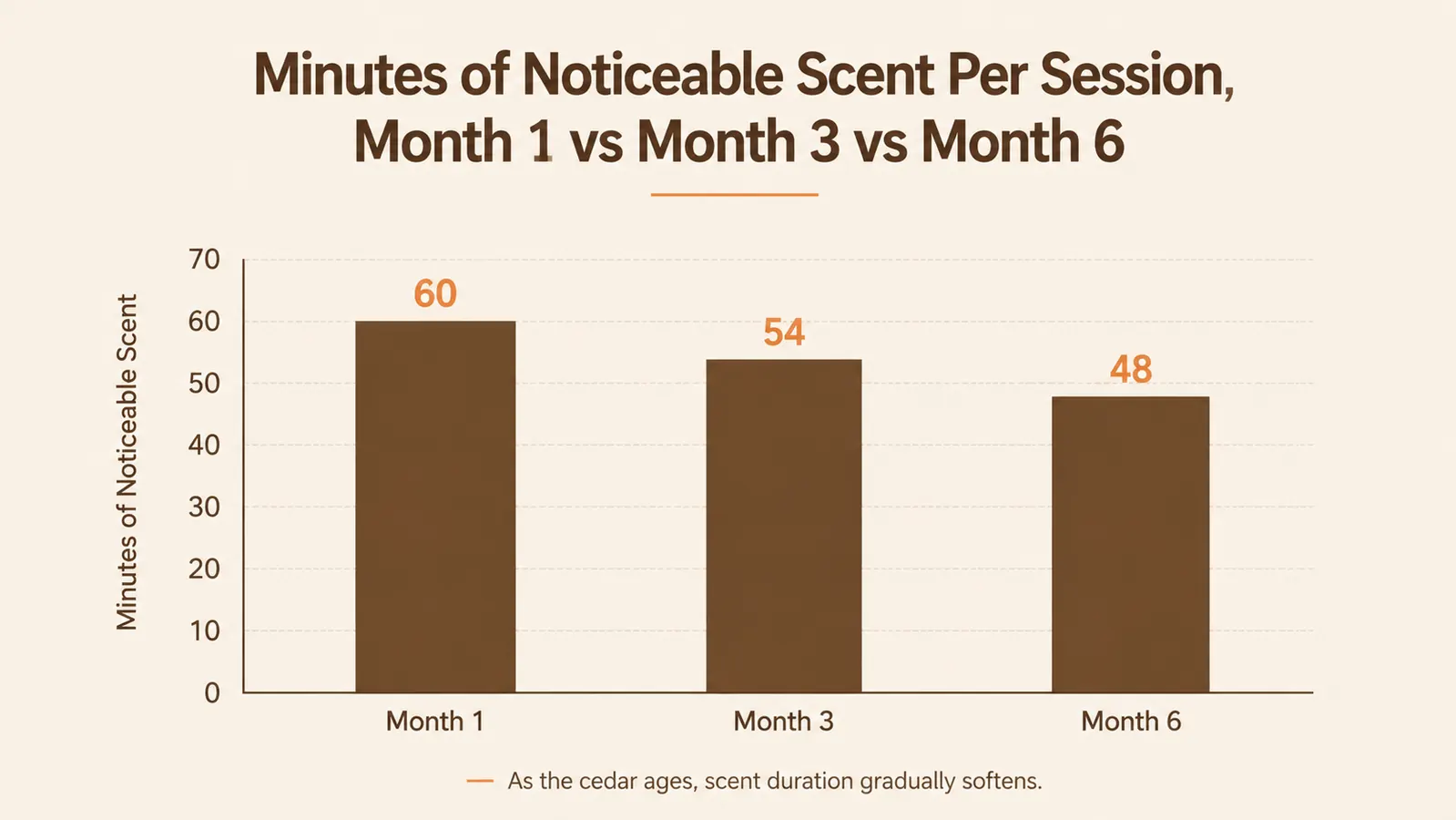
In the first month, four to five drops gave me a noticeably strong scent for about the first fifteen minutes of a session, tapering off by the twenty-minute mark. That's a real improvement over dripping oil straight onto rocks, where I'd get maybe ninety seconds of intense scent and then almost nothing for the rest of the session.
By month three, I noticed I needed six or seven drops to get the same effect I'd gotten from four or five early on. My best guess, and it's just a guess, is that the cedar itself had absorbed enough residual oil into the wood that a little more volume is needed to saturate a fresh top layer each time. It's a small adjustment, not a dealbreaker, but it did mean going through my oil bottles a bit faster than I originally budgeted for.
Six months in, that scent duration has more or less plateaued rather than continuing to decline, which was reassuring. A typical twenty-five to thirty minute session now gives me a noticeable eucalyptus or cedar scent for roughly the first eighteen to twenty minutes, less intense than the very first week but still a meaningful part of the experience rather than an afterthought.
One thing worth mentioning: the bowl itself has picked up a faint background cedar-and-eucalyptus smell even when it's empty, which I don't mind at all since it's a scent I like, but if you rotate through several different oils, expect some blending rather than a completely clean slate every time you switch scents.
Cleaning, Placement, and the Small Habits That Actually Matter
I wipe the bowl out with a soft cloth after most sessions and give it a proper wash with mild dish soap and warm water about once a week. Skipping that weekly wash for a stretch in February, when we had guests over and my routine slipped, left a slightly gummy residue building up along the bottom that took real scrubbing to fully lift. Staying on top of it weekly keeps that from ever becoming a chore.
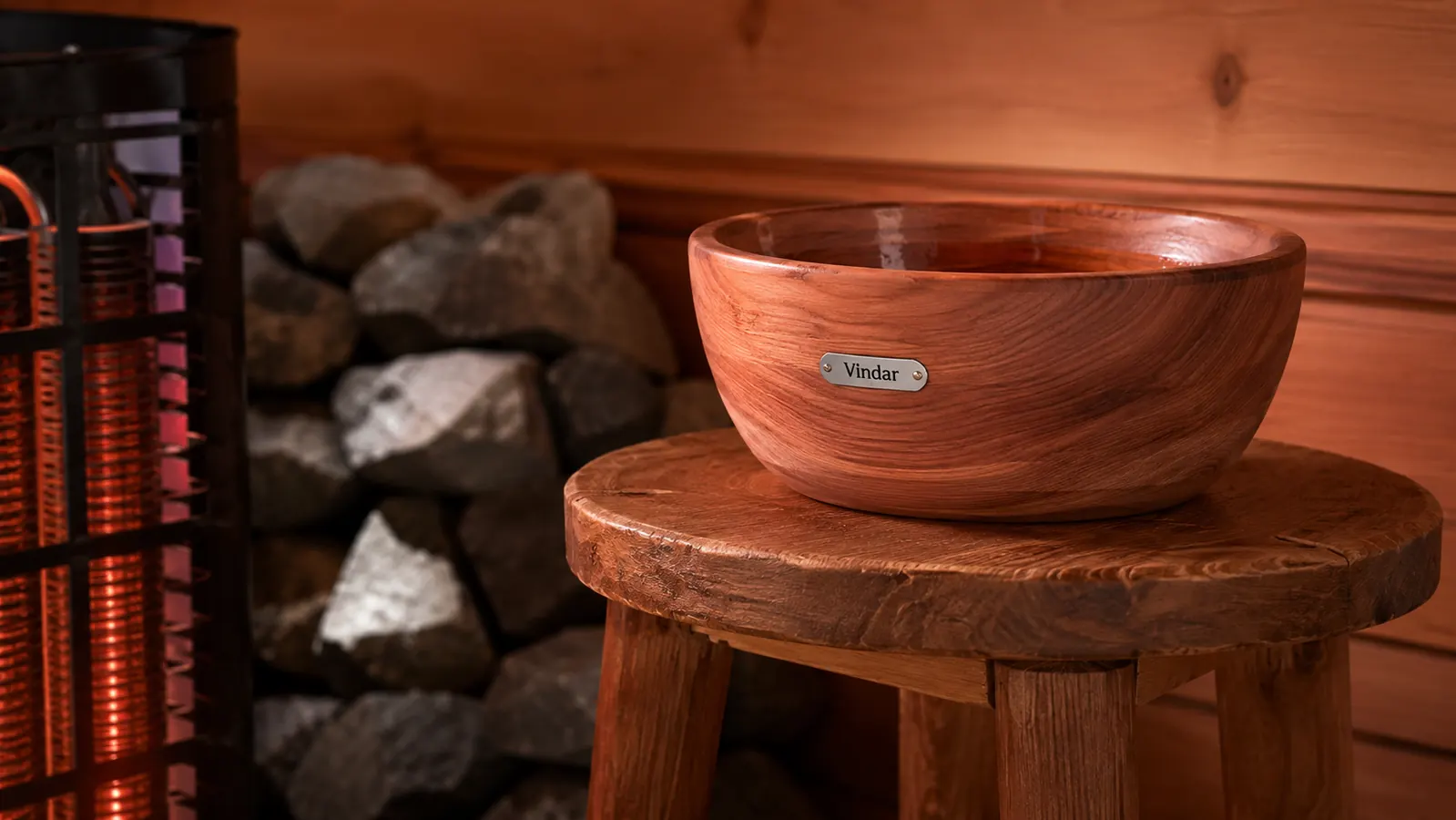
Placement matters more than I expected going in. Setting it directly beside the heater the first week left the bowl noticeably hotter to the touch than I liked, and the oil burned off faster than it does now that I keep it a few feet away on the bench. A few feet of distance still lets the ambient cabin heat do its job warming the oil gently, without the bowl itself getting hot enough to worry me.
I've also learned not to overfill it right before a long session. On a couple of occasions early on, a full bowl tipped slightly when I reached past it for a towel, and cedar-scented oil on a wood bench isn't the end of the world, but it's an easy mess to avoid just by keeping the fill line modest and the bowl pushed toward the back corner of the bench rather than the edge.
What I Considered Instead
Before buying the Vindar bowl, I looked at a small ceramic dish I already had in a kitchen cabinet, thinking I could just repurpose that instead of spending money on something built specifically for a sauna. It worked for exactly one session before I noticed the glaze felt uncomfortably hot to the touch in a way untreated wood never does, and I didn't love the idea of ceramic sitting that close to a heat source indefinitely.
I also considered just continuing to drip oil directly onto the rocks, which is genuinely the cheapest option since it requires buying nothing at all. But after pricing out how much oil I was going through with the flash-off method versus how far a bottle stretches with the bowl slowing the release, the math actually favored the bowl within the first couple of months, not counting the improved consistency of scent through a whole session.
A stainless steel dish came up in my research too, and it would likely be more heat tolerant and easier to clean than cedar. But part of what I like about the Vindar bowl is that it's actually part of the sauna experience rather than a piece of kitchen hardware sitting on the bench, and the faint cedar smell it's picked up over time genuinely adds to the atmosphere rather than feeling out of place the way stainless steel might.
What I Liked
- Slows oil burn-off noticeably compared to dripping straight onto hot rocks
- Single-piece red cedar construction has held up seven months with no cracking or splitting
- Scent duration has plateaued rather than continuing to decline after the third month
- Small enough to fit any bench corner without taking up real space
- Genuinely fits the look and feel of a wood sauna rather than looking like a kitchen accessory
- Inexpensive enough that it was worth trying without much risk
- Weekly cleaning keeps it low-maintenance once you build the habit
Where It Falls Short
- Interior finish darkens and takes on an oily patina with regular use, not showroom-fresh forever
- Needs slightly more oil per session by month three than it did in week one
- A faint surface check line appeared near the rim after a stretch of very hot sessions
- Skipping the weekly wash even once lets residue build up fast
- Picks up a faint background scent of whatever oil you use most, so switching scents isn't a completely clean reset
- Placement too close to the heater makes it hotter to the touch than I liked
- Full bowls can tip if bumped, so keeping the fill modest matters
Six months in, the scent duration has plateaued rather than kept declining, which was the reassurance I actually needed.

Who This Is For
This fits anyone who already has a home sauna, whether a full cabin like ours or a smaller infrared unit, and has been frustrated watching essential oil flash off the rocks or evaporator plate almost instantly. It suits people who use their sauna often enough that a small daily ritual, adding a few drops before each session, actually becomes part of the routine rather than an extra step that gets skipped. It's also a good fit if you like the idea of a wood accessory that ages and develops character rather than something that's meant to look brand new indefinitely.
Who Should Skip It
If you're not willing to wipe it out regularly, the residue buildup will bother you faster than it's worth the convenience. Anyone who wants to rotate through many different essential oils and expects a completely neutral, scent-free bowl each time should know the cedar holds onto a background note of whatever you use most. And if the idea of a small surface crack appearing over time, even a cosmetic one that doesn't affect function, would genuinely bother you, a stainless or ceramic option built for higher heat tolerance might suit you better than untreated wood.
Ready to stop wasting oil on rocks that burn it off in ninety seconds?
Check today's price and current availability on the Vindar red cedar aromatherapy bowl and see if it earns a permanent spot on your own sauna bench the way it did on ours.
Amazon Check Today's Price on Amazon →