
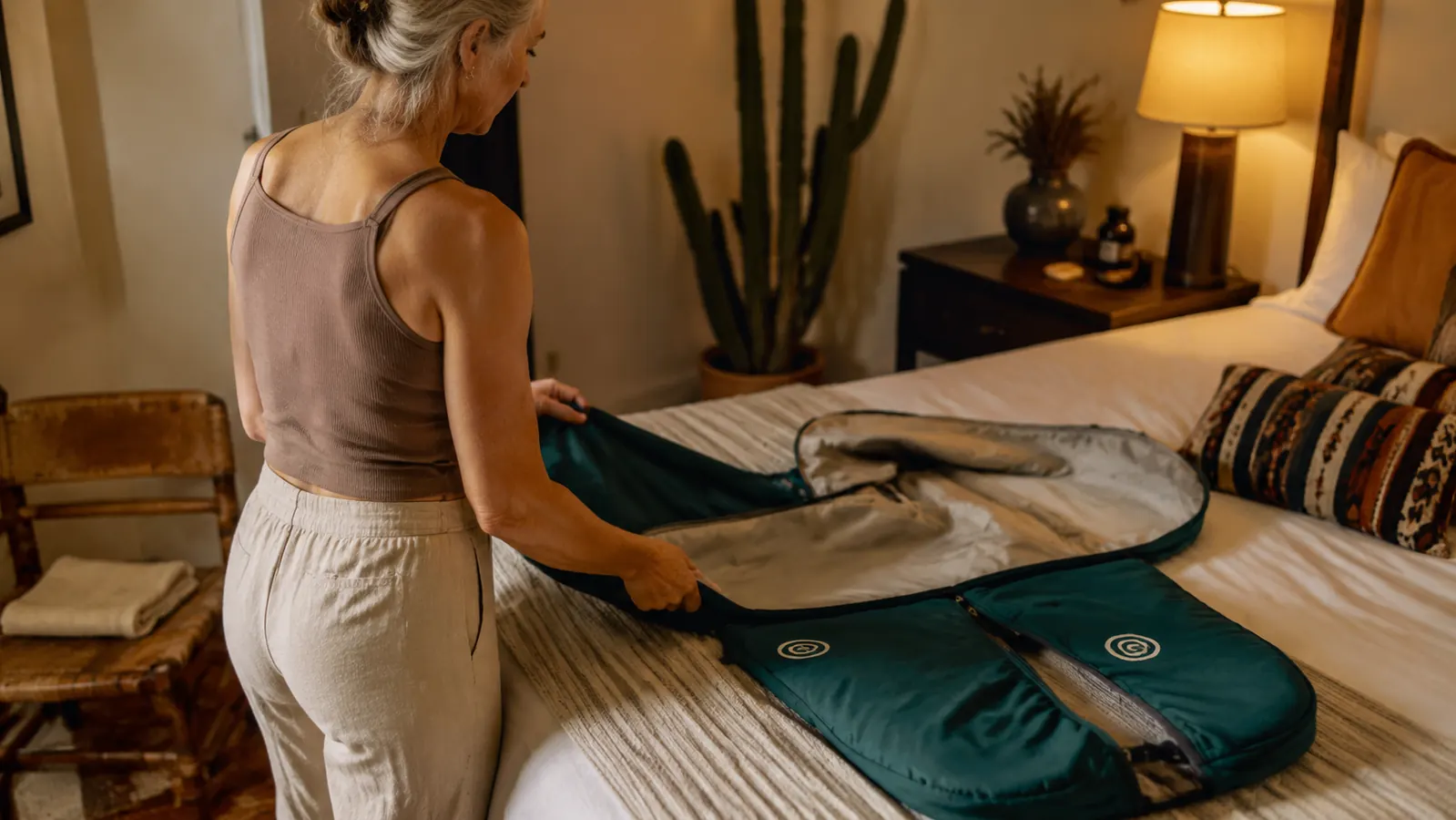
The first question everyone asks me about the Lifepro RejuvaWrap is not whether it works. It's whether it's actually worth what it costs, and I want to answer that honestly instead of dancing around it the way a lot of reviews do. I bought mine in late March after pricing out a proper infrared cabin for our garage in Tucson and nearly choking on the install quote an electrician gave my wife Renata over the phone. The blanket felt like a compromise at the time. Three months and roughly 40 sessions later, I still think of it that way, a compromise, just one that turned out to be a genuinely good one for how we actually live.
This isn't the six-month deep dive some people are looking for. It's the shorter, blunter version: what the price question actually comes down to once you've used the thing enough times to stop being impressed by the box it arrived in, and what I wish someone had told me before I clicked buy instead of after.
A quick note before I get into it: I have not been paid by Lifepro and nobody sent me a free unit in exchange for a glowing writeup. I bought this with my own money after comparing it against the alternatives below, and that comparison is the whole reason I think this review is worth reading over a lot of the others out there.
The Quick Verdict
A legitimately relaxing, well-built infrared blanket at a price that only makes sense once you compare it honestly to the alternatives, not to zero.
Amazon Check Today's Price →Still weighing whether the price makes sense for you?
Check today's price and current availability before you decide. What it actually costs matters less than what you'd be comparing it against, and I get into both below.
Amazon Check Today's Price on Amazon →How I've Actually Used It
My setup is unremarkable, which I think matters. I use the RejuvaWrap on our guest bed three or four evenings a week, usually after Renata has gone to bed early with a book and I've got the house to myself for forty-five minutes before I'm ready to sleep. I climb in, zip up to my chest, tuck the shoulder flap over, and clip it closed. That last clip took me an embarrassing number of tries the first week. I kept fumbling it one-handed while my other arm was already pinned inside the blanket, and I nearly gave up and called for Renata twice before I figured out you're supposed to close it before you settle your arm down, not after.
Once it's on, I run it at setting 7 out of 9 for about 35 minutes. I've tried the top setting twice and found it more intense than relaxing, which is a small point against the marketing photos that make it look like a spa treatment. It's warm, it builds, and by minute twenty I'm sweating in a way that feels earned rather than dramatic. That part of the experience has been consistent from session one to session forty, and it's the reason I kept using it past the awkward first week instead of shoving it in the closet.
What surprised me is how much the cord and control unit became part of the routine faster than I expected. The handheld controller dangles on a cord about arm's length from the blanket, and the first few sessions I kept losing track of where I'd set it down inside the folds. Now I clip it to the outside seam near my hip before I zip up, a habit that took maybe a week to build and that nobody mentions in the product listing because it's not the kind of detail that photographs well.
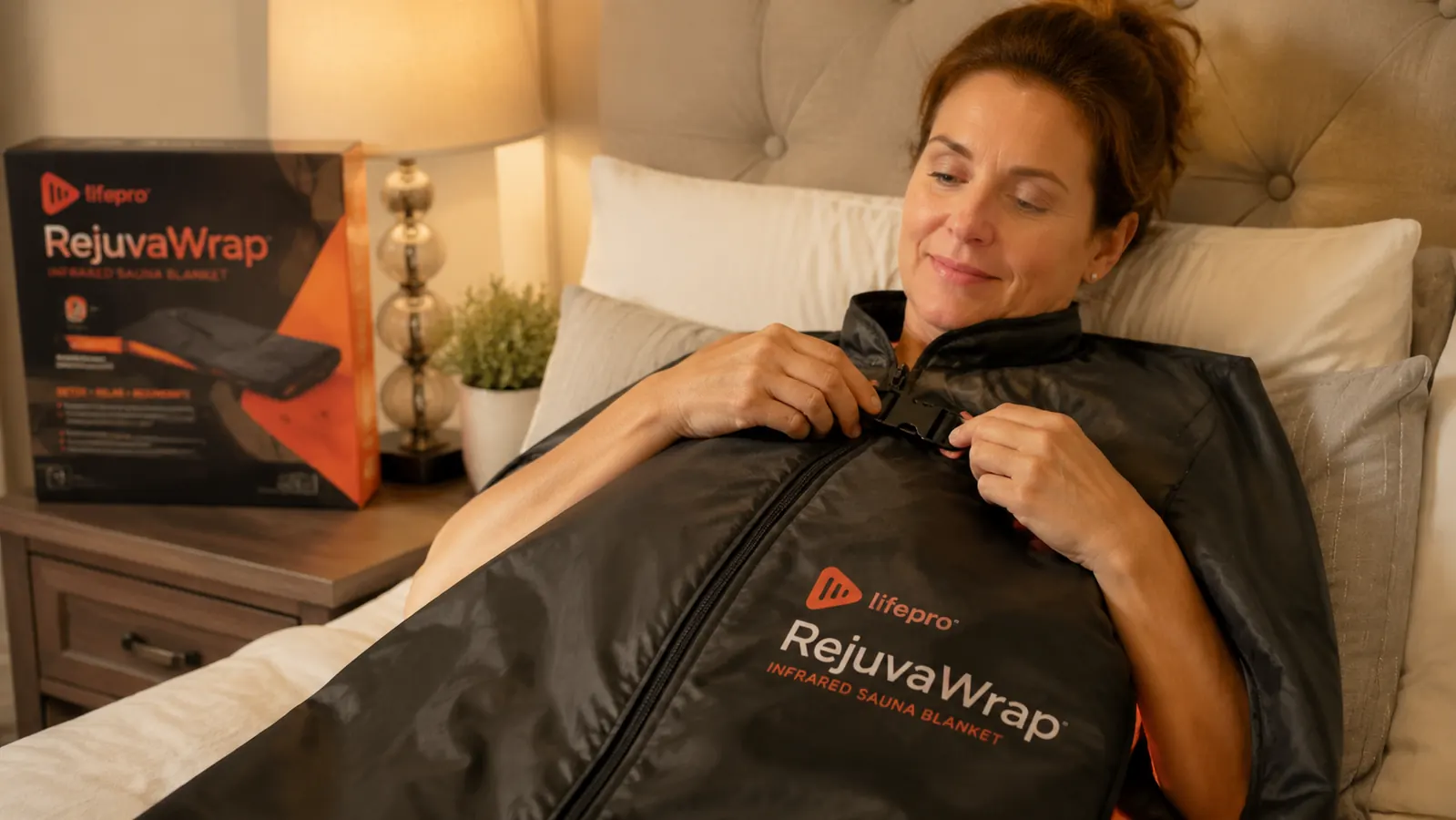
The Price Question, Answered Honestly
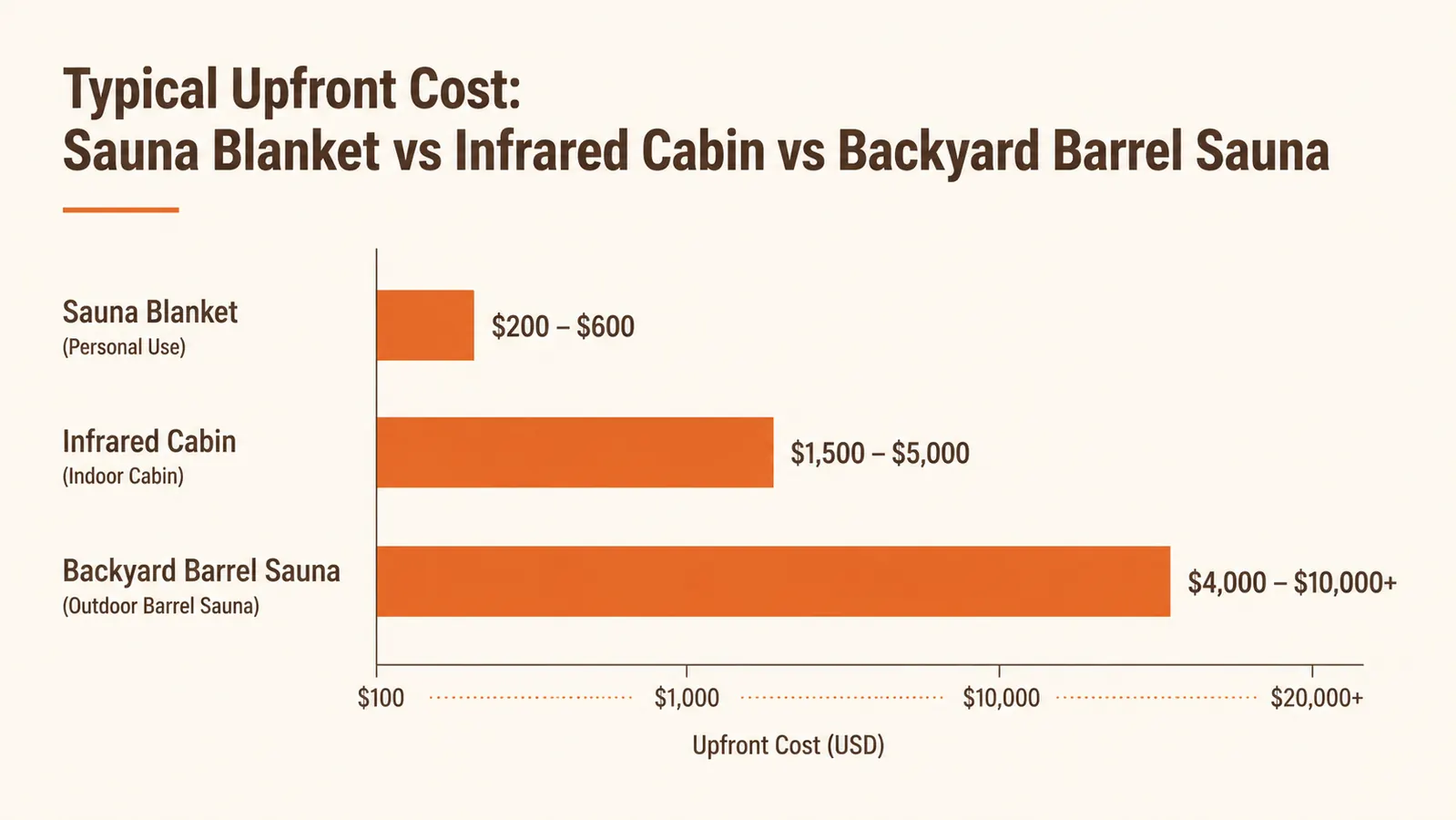
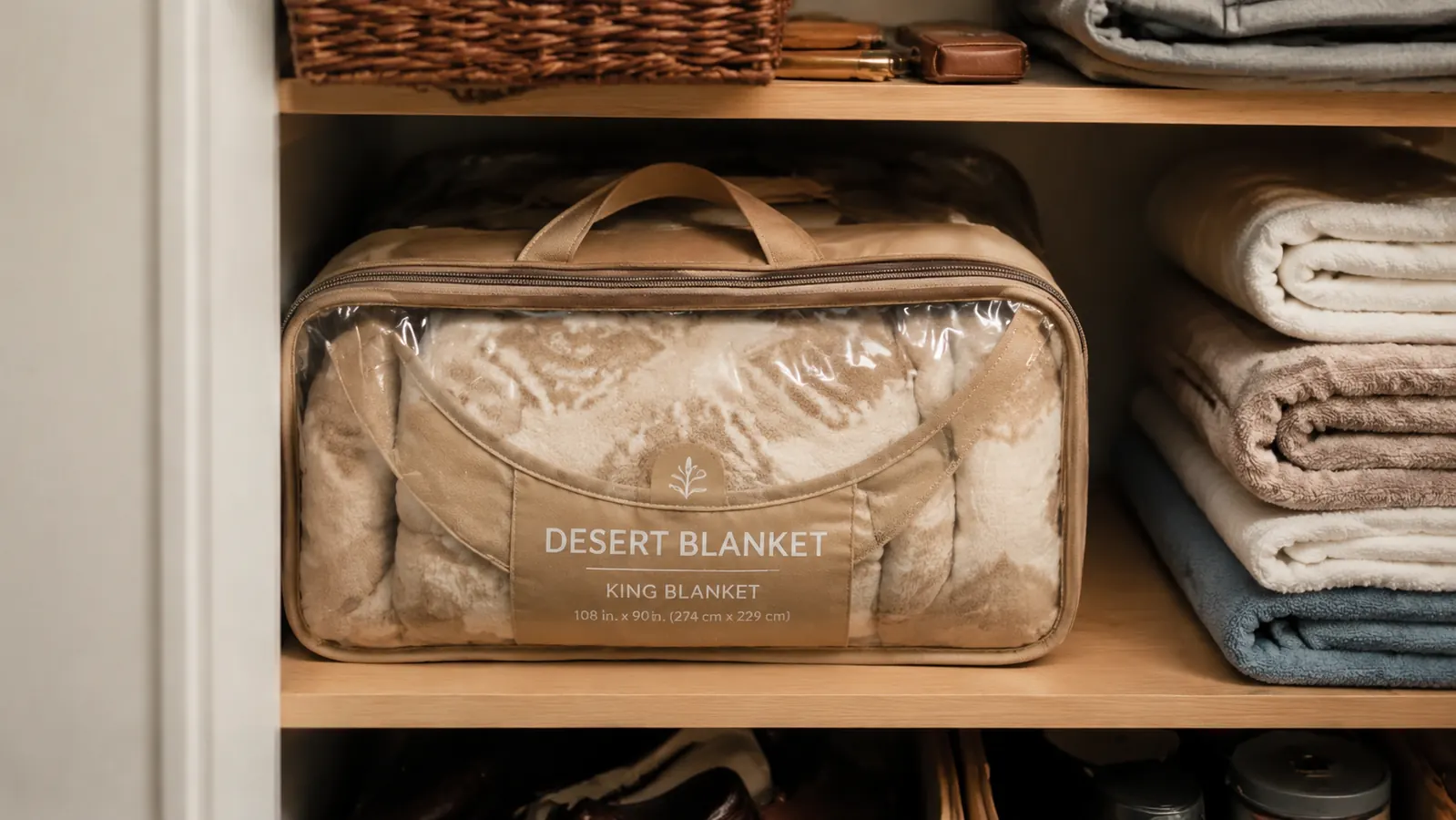
Here's the actual math I did before buying, and the one I think matters more than any star rating. A real infrared sauna cabin, even a small one-person unit, was going to run us well past a thousand dollars once the electrician quote for a dedicated outlet got added in, plus floor space in the garage we didn't really have to spare. A basic steam tent was cheaper, but Renata has a mild issue with enclosed humid spaces and vetoed that option within about ten seconds of me showing her one online. The RejuvaWrap landed in the middle: no installation, no dedicated circuit, folds into a bag that fits on a closet shelf.
So is the price worth it. My honest answer is that it's worth it compared to the cabin, and it's a harder sell compared to doing nothing and using a heating pad and a hot shower instead. If your bar is what's the cheapest way to feel warm and relaxed, this loses to a hot bath every time. If your bar is what's a realistic, storable, no-installation way to get a consistent infrared heat session at home, the price starts making a lot more sense, and that's the comparison I actually think is fair.
I'd also be lying if I said the price felt small in the moment I clicked purchase. It didn't. What changed my mind after the fact wasn't a single dramatic result, it was forty sessions of a genuinely reliable evening routine that replaced scrolling my phone in bed, which is a harder thing to put a dollar value on but has been worth more to me personally than I expected going in.
The Low EMF Claim, My Honest Take
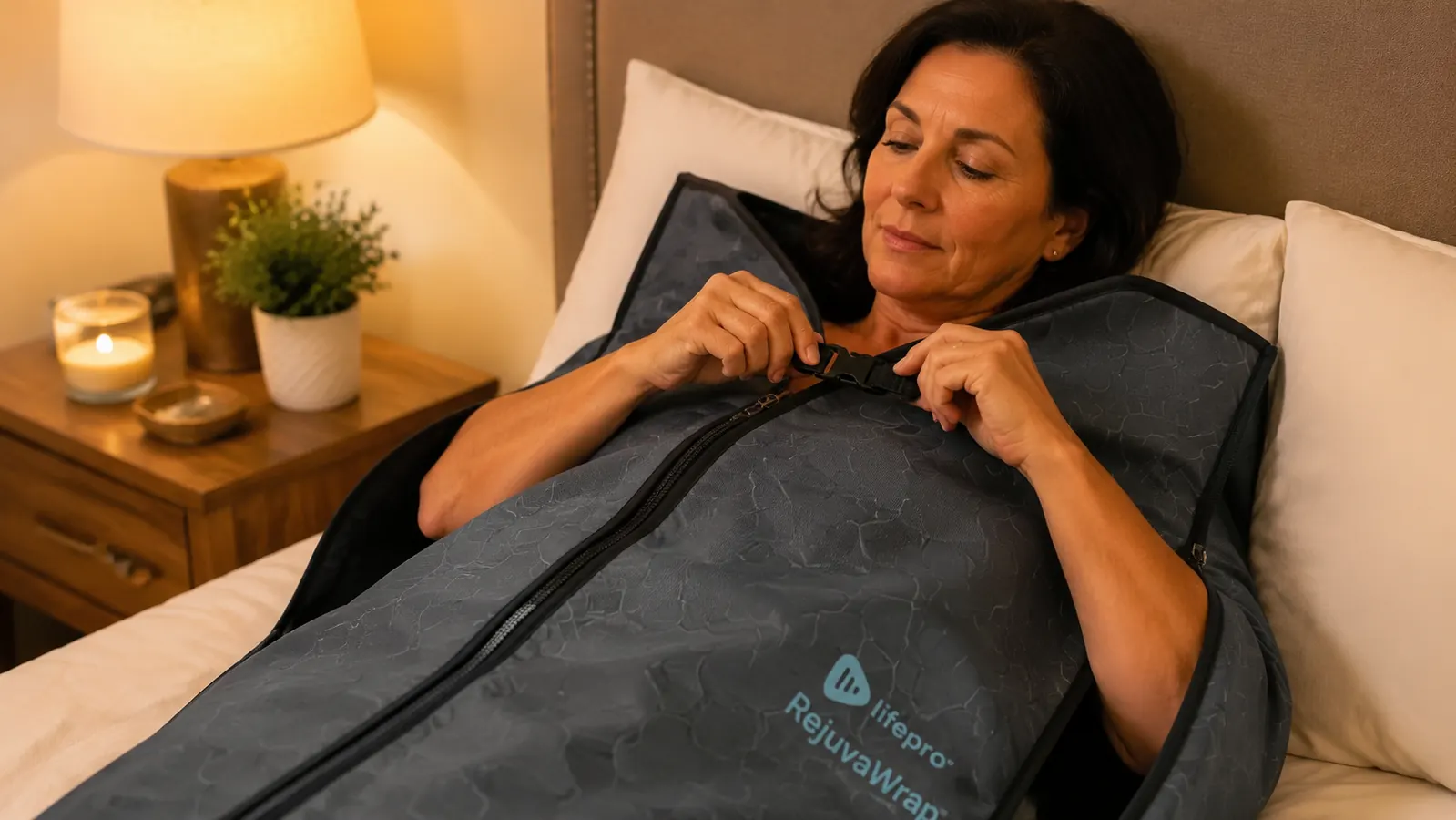
I went in skeptical of the low EMF marketing language, mostly because that phrase gets slapped on a lot of products without much backing it up. I don't own an EMF meter and I'm not going to pretend I ran a lab test in my guest room. What I can say honestly is that I've had zero of the buzzing, warm-electrical-smell issues I half expected from a blanket full of heating panels, and the fabric itself never feels like anything other than warm cloth, no hot spots, no odd tingling, nothing that made me want to unzip early out of discomfort. That's a low bar, admittedly, but it's the honest extent of what I can personally verify, and I'd rather say that plainly than repeat a marketing claim I can't back up myself.
The heat distribution is genuinely even, which was the bigger surprise to me than the EMF question. I expected a panel near my feet to run noticeably hotter or cooler than one near my back, the way space heaters in our old apartment used to leave cold corners. That hasn't happened. Whatever's inside the carbon fiber layer heats the whole blanket at roughly the same rate, and that consistency is the part of the RejuvaWrap I'd defend most confidently if someone asked me what they're actually paying for.
The Annoyances Nobody Puts in the Five-Star Reviews
The zipper pull is small and slightly stiff when the blanket is brand new. It loosened up after maybe ten sessions, but that first week I genuinely wondered if I'd gotten a defective unit before realizing it just needed to break in, the same way a new pair of boots does. Nobody mentions this in the glowing reviews, probably because most five-star reviews get written in the first week when the excitement is highest, not three months in when the small stuff has had time to surface.
Getting out mid-session to use the bathroom is more of a production than I expected. Unzipping, extracting yourself, and getting resettled and re-zipped eats a solid three or four minutes, and if you're someone who drinks a lot of water before bed like I do, plan your session timing around that or you'll be doing the awkward half-in, half-out shuffle at least once a week like I still do.
The exterior fabric picked up a faint smell after the first month that I'd describe as warm rubber rather than anything unpleasant, but it was noticeable enough that Renata commented on it walking past the guest room one evening. It's faded since, and wiping the exterior down with a damp cloth every couple of weeks seems to keep it from building back up, but it's a detail I wish had been in the product description instead of something I discovered on my own.
Storage is easier than I braced for, but not effortless. The included carry bag holds the blanket fine once you've folded it the right way, which took me two attempts to figure out. Fold it wrong and the zipper sticks awkwardly out one end of the bag, an annoyance rather than a real problem, but exactly the kind of small friction that a three-month review catches and a first-impression review doesn't.
What I Considered Instead
Before settling on the RejuvaWrap, I seriously looked at a Lunix-brand sauna blanket that kept popping up in the same searches, mostly because it was priced close enough to make me second-guess my choice. What tipped me toward the RejuvaWrap was the temperature range and the fact that it had noticeably more reviews to sift through when I was trying to gauge how it held up long term, not just how it performed in week one. I'll be honest that I haven't used the Lunix myself, so I can't compare heat output directly, but the decision process itself is worth mentioning because it's the same one most people reading this are probably going through right now.
I also priced out a basic wooden barrel sauna kit for the backyard, which sounds like overkill until you realize how many people in our neighborhood apparently have one, based on a very awkward conversation at a barbecue. That option was never realistic for us financially, but it reframed the RejuvaWrap's price as reasonable rather than steep once I'd seen what the bigger alternatives actually cost.
Three Months In: What's Actually Held Up
The carbon fiber panels show no sign of degrading, no cool spots forming where there weren't any before, and no change in how quickly the blanket reaches temperature compared to session one. That matters more to me than it might sound, because I've owned enough home wellness gadgets that felt great for a month and then quietly got worse, a cheap heating pad that stopped getting past lukewarm being the most recent example sitting in our closet as a reminder.
The zipper, once it broke in, has stayed smooth through all forty-ish sessions with no snagging. The waterproof interior liner still wipes clean with a damp cloth in under a minute, no staining, no lingering dampness the next day. If anything has surprised me three months in, it's that the annoyances I listed above are genuinely the ceiling of my complaints. Nothing has gotten worse with time, which is not something I expected to be able to say honestly about a product in this price range.
What I Liked
- Even heat distribution with no noticeable hot spots after 40 sessions
- No installation, no dedicated outlet, folds into a closet-sized bag
- Genuinely reliable evening relaxation routine, not just a first-week novelty
- No buzzing, odd smell, or discomfort that would support EMF concerns
- Meaningfully cheaper than a sauna cabin or backyard barrel unit
Where It Falls Short
- Price feels steep compared to a heating pad or hot bath, and that comparison is fair
- Zipper is stiff for the first ten or so sessions before it breaks in
- Mid-session bathroom breaks are a real production, not a quick pause
- Faint new-fabric smell shows up around the one-month mark
- Folding it wrong for storage makes the carry bag zipper stick
It's not worth it compared to doing nothing. It's worth it compared to the cabin I almost bought instead, and that's the comparison that actually matters.
Who This Is For
This makes sense for someone who's already ruled out a full sauna cabin on cost or space grounds but still wants an actual infrared heat session rather than a heating pad substitute, and who has a realistic evening routine where thirty-five to forty-five minutes fits without a fight. It's also a good match if you've weighed the price against the alternative of a bigger installation and landed, like I did, on wanting something that folds into a closet instead of taking over a corner of a room.
Who Should Skip It
If your honest comparison point is a heating pad or a hot bath and you're not looking to spend more than that costs, this will feel expensive relative to what you're used to, and I don't think it's my place to talk you out of that math. Anyone who needs bathroom breaks mid-relaxation-routine and finds the in-and-out process annoying should think hard about session timing first. And if a slightly stiff zipper or a faint new-fabric smell for the first month would bother you more than it bothered me, it's worth knowing that going in rather than after the box is already open.
Decided the comparison actually favors it?
Check today's price and current availability before it changes. Weigh it against what a cabin or barrel sauna would actually run you, not against zero, and the math tends to hold up.
Amazon Check Today's Price on Amazon →